
Common Summer Dental Emergencies: Sports, Vacations, and BBQs
July 15, 2026 9:00 amSummer has a way of changing the pace of daily life. Kids spend more time outside, families travel, sports schedules pick up, and meals move from the kitchen table to the backyard or campground. Most of that is welcome, although it also creates a few more opportunities for chipped teeth, lost fillings, sudden toothaches, and other dental problems.
Some summer dental emergencies are true accidents, such as a baseball to the mouth or a fall from a bike. Others have been building quietly and happen to announce themselves during vacation, usually when the family is several hours from home. A cracked filling may finally give way while eating, or a tooth that has been mildly sensitive may begin throbbing after a day of cold drinks.
Knowing what to do in the first few minutes can protect the tooth and make the situation feel more manageable. At Bolt Family Dental in Brownsburg, IN, Dr. Wade Troyer can evaluate dental injuries, relieve pain, and help patients determine which problems need immediate treatment and which can safely wait for a scheduled visit.
Sports Injuries Can Affect More Than the Front Teeth
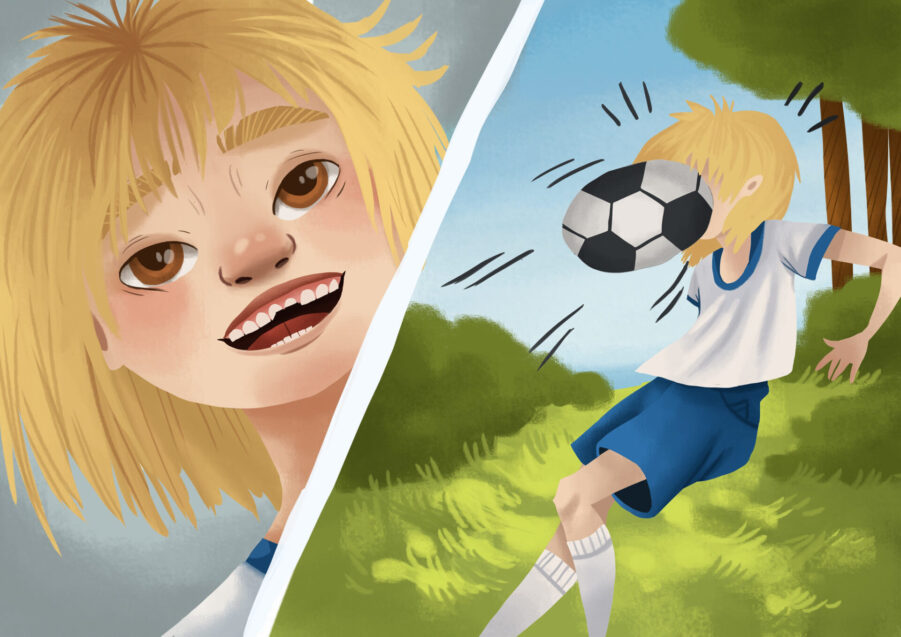
Baseball, softball, basketball, soccer, skateboarding, and biking all bring the possibility of a blow to the mouth. Front teeth receive many of these injuries, but the force can also cut the lips, move a tooth within its socket, fracture a back tooth, or injure the jaw.
After a hit, take a calm look at the mouth and face. Check for bleeding, swelling, broken tooth structure, changes in the bite, or a tooth that appears longer, shorter, or out of position. A tooth may be injured even when it has not broken, so pain while biting or a sudden change in position should be examined.
A cold compress against the outside of the cheek can help with swelling. However, loss of consciousness, confusion, vomiting, trouble opening the mouth, heavy bleeding, or concern about a broken jaw calls for medical attention as well as dental follow-up.
For contact sports and activities where falls are common, a properly fitted mouthguard can reduce the risk and severity of injuries to the teeth and surrounding tissues. The American Dental Association recommends mouthguards for a wide range of sports and recreational activities. Families can read more in the ADA’s guide to athletic mouth protectors and mouthguards.
A Knocked-Out Permanent Tooth Needs Fast Action
A permanent tooth that has been completely knocked out is one of the most time-sensitive dental injuries. The sooner it is handled correctly and returned to professional care, the better the chance that it can be saved.
Pick up the tooth by the crown, which is the white portion normally visible in the mouth. Avoid touching or scrubbing the root, and do not remove any tissue that remains attached. If the tooth is dirty, rinse it gently with water without using soap or chemicals.
When possible, place the tooth back into the socket without forcing it, then have the person hold it in place by biting gently on clean gauze. If reinsertion is not practical, keep the tooth moist in milk or saliva and head to the dentist immediately.
A knocked-out baby tooth should not be placed back into the socket because doing so could harm the permanent tooth developing underneath. Call the dentist promptly instead, especially if there is bleeding, pain, or concern about injury to nearby teeth.
A Chipped Tooth May Be Minor or More Involved
A small chip can look alarming even when it affects only the outer enamel. However, some fractures extend into the deeper layers of the tooth, where sensitivity and pain become more likely.
Rinse the mouth gently with warm water and look for the broken piece. If you find it, place it in a clean container and bring it to the dental visit. A cold compress on the face can help if the lip or cheek is swollen.
A chipped tooth that does not hurt still deserves an appointment because the rough edge may continue breaking or irritate the tongue. If the tooth is very sensitive, painful while biting, bleeding from the center, or split deeply, call the office promptly rather than waiting until the end of summer.
Treatment depends on the size and location of the fracture. A small chip may need smoothing or bonding, while a deeper break may require a crown, root canal treatment, or another restoration.
Hard BBQ Foods Can Find the Weak Spot in a Tooth
Summer cookouts bring ribs, corn on the cob, ice-filled drinks, hard pretzels, popcorn, and plenty of foods that ask the teeth to work a little harder. Healthy teeth usually manage these foods without trouble, but a cracked tooth, worn filling, or weakened crown may give way under pressure.
Ice is a common culprit because it feels easy to crunch but is hard enough to chip enamel and restorations. Hard candy, unpopped popcorn kernels, rib bones, fruit pits, and shells can cause similar trouble.
When a tooth breaks while eating, stop chewing on that side and rinse gently with warm water. Save any loose piece you can find, then call the dentist and describe whether the tooth is painful, sharp, or sensitive to temperature.
A broken cusp around an older filling may not cause much pain at first. However, the remaining tooth can continue cracking, so it is better to have it checked before the next cookout provides a second test.
Lost Fillings and Crowns Often Show Up at Inconvenient Times
A filling or crown may loosen because of decay underneath, wear over time, a fractured tooth, or a sticky piece of food. Unfortunately, these problems do not seem to care whether you are leaving for vacation the next morning.
If a crown comes off, rinse it gently and store it in a clean container. Do not use superglue or another household adhesive, since that can damage the crown, irritate the mouth, and complicate the repair. Call the dental office for advice about whether temporary dental cement is appropriate until you can be seen.
For a lost filling, the exposed area may feel rough or sensitive. Keep it clean, avoid very hot, cold, sugary, or hard foods on that side, and arrange an appointment rather than leaving the opening uncovered for weeks.
A crown that can be reused may be recemented, although the dentist will first need to check the tooth underneath. If decay or a fracture caused it to loosen, that problem needs attention before the crown goes back.
A Toothache on Vacation Usually Has a History
A severe toothache can seem to appear from nowhere, but the tooth often offered smaller clues beforehand. Sensitivity to cold, discomfort while chewing, a chipped filling, or occasional aching may have been present for days or weeks.
Travel can make the pain more noticeable because routines change. People may snack more often, drink more cold beverages, sleep poorly, or postpone care until they return home. Then a mildly irritated tooth becomes much harder to ignore.
Rinse with warm water and floss gently in case food is caught between the teeth. Do not place aspirin directly against the tooth or gums, since it can irritate the tissue. If the pain continues, worsens, or returns repeatedly, contact a dentist rather than trying to manage it for the rest of the trip.
Pain with facial swelling, fever, a bad taste, or a pimple-like bump on the gum may signal an infection. A dental abscess can spread beyond the tooth and needs prompt treatment rather than several days of hoping it settles down.
Pack a Small Dental Kit Before Traveling
A dental kit does not need to take up much room, and it can save a surprising amount of scrambling. Include a toothbrush, fluoride toothpaste, floss, clean gauze, a small lidded container, orthodontic wax if anyone wears braces, and the dental office’s phone number.
It also helps to know how to reach your insurance company and where urgent dental care is available near your destination. When traveling outside the country, check what your health or travel insurance covers before you leave.
Before a long trip, pay attention to teeth that already feel questionable. A loose crown, cracked filling, or recurring toothache is much easier to handle near home than halfway through a beach week.
Families with active children may also consider carrying a tooth-preservation kit during tournaments or road trips. Milk can work in an emergency, but a product designed for an avulsed tooth may be easier to keep with sports gear and first-aid supplies.
Cold Drinks Can Expose an Existing Problem
Iced tea, frozen treats, lemonade, and cold water are part of summer, but a sharp response to cold may reveal exposed root surfaces, worn enamel, decay, a crack, or a failing filling. The temperature did not necessarily cause the problem; it simply made the tooth’s condition more noticeable.
Sensitivity that lasts only a moment may be manageable, although it is worth mentioning at the next visit. Pain that lingers, wakes you at night, or begins without any cold food or drink should be checked sooner.
Meanwhile, acidic summer drinks can add another concern. Lemonade, soda, sports drinks, and energy drinks may soften enamel, especially when they are sipped slowly for hours. Drinking them with a meal and following with water can reduce the length of that exposure.
Avoid brushing immediately after a very acidic drink because the enamel surface may be temporarily softened. Rinse with water, let saliva begin neutralizing the mouth, and then return to normal brushing later.
Pool Time Is Usually Safe for Teeth
Swimming itself is not a common dental emergency, although falls on wet concrete and collisions in the pool certainly can be. Children who jump, dive, or play rough near hard pool edges should follow safety rules for the same reason they would on a bike or court.
Properly maintained pool water is not expected to damage tooth enamel. However, unusually acidic pool water can contribute to erosion during repeated, prolonged exposure, which has been reported in competitive swimmers when pool chemistry was poorly controlled.
An occasional swimmer does not need to worry about every splash. Still, competitive swimmers who develop new sensitivity, thinning enamel, or staining may want to mention their pool schedule at a dental visit and make sure the facility monitors its water chemistry.
Swimming with the mouth closed when practical and rinsing with fresh water afterward are simple habits. More importantly, visible enamel changes should be checked rather than dismissed as part of the sport.
Braces and Retainers Bring Their Own Summer Problems
Summer camps, tournaments, and vacations can make orthodontic routines harder to maintain. A wire may begin poking the cheek, a bracket can loosen, or a retainer may disappear into a restaurant napkin before anyone notices.
Orthodontic wax can cover a sharp wire temporarily. If a loose wire is causing pain or cutting the tissue, call the orthodontist or dentist for instructions rather than pulling on it. Swelling, significant bleeding, or trauma to a tooth with braces should be evaluated promptly.
Retainers deserve a case whenever they are not in the mouth. Wrapping one in a napkin works only until the table is cleared, and heat can distort some retainers if they are left in a hot car.
If a retainer is lost, contact the office rather than waiting several weeks. Teeth can begin moving, particularly when orthodontic treatment was completed recently.
When a Dental Problem Needs Urgent Attention
Not every summer dental problem requires an emergency visit, but several signs should move the situation higher on the list. Severe or worsening pain, facial swelling, fever, uncontrolled bleeding, a knocked-out permanent tooth, and trauma that changes the bite all need prompt attention.
Trouble breathing or swallowing, spreading swelling, loss of consciousness, or signs of a serious facial injury require emergency medical care. The dental problem can be addressed once the person is medically stable.
For less urgent concerns, call and describe what happened rather than trying to decide everything at home. A photo may help the office understand a chipped tooth or loose crown, although it cannot replace an examination.
When you are away from Brownsburg, the Bolt Family Dental team may be able to help you decide whether to seek local treatment or protect the area until you return. That conversation can prevent both needless worry and a problem from being left too long.
Summer Dental Care at Bolt Family Dental in Brownsburg
Summer should have room for ball games, road trips, frozen treats, and backyard dinners without every hard bite becoming a source of worry. Still, a little preparation helps, especially when a family member plays sports, wears braces, or has a tooth that has already been causing trouble.
Keep the office number with your travel information, pack a few basic dental supplies, and do not ignore movement, swelling, or recurring pain. When an injury does happen, protect the tooth, save any broken pieces, and call before trying a home repair.
Dr. Wade Troyer provides emergency dental evaluation and family dental care at Bolt Family Dental in Brownsburg, IN. Contact the office when a tooth breaks, comes loose, begins hurting, or suffers an injury during sports, vacation, or a summer gathering.
Image from Authority Dental under CC 2.0
Categorised in: Dental Emergencies, Dental Tips