
Tooth-Colored Fillings vs. Silver Fillings: What’s the Difference?
May 12, 2026 9:00 amA filling may seem like a small dental treatment, but the material used can make a real difference in how the tooth looks, feels, and holds up over time. If you have ever been told you need a filling, or if you already have older silver fillings, you may have wondered whether tooth-colored fillings are better, whether silver fillings are still used, or whether replacing an old filling makes sense.
It is a fair question. Most patients are not thinking about filling materials every day, so the options can feel a little unclear when the topic comes up during an appointment. You may hear words like composite, amalgam, tooth-colored, or silver and wonder what actually separates one choice from another.
At Bolt Family Dental in Brownsburg, IN, Dr. Wade Troyer helps patients understand their options. In many cases, the right filling depends on the location of the tooth, the size of the cavity, your bite, your cosmetic goals, and the condition of the existing tooth. Once those pieces are clear, the decision becomes much easier to understand.
What Tooth-Colored Fillings Are
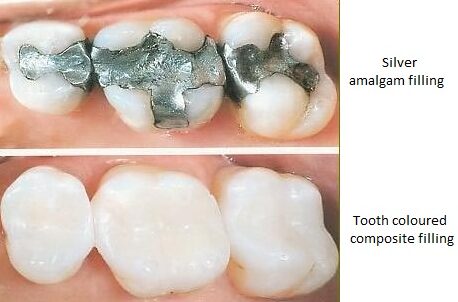
Tooth-colored fillings are typically made from composite resin, a dental material designed to blend in with the natural shade of your tooth. Because the material can be matched closely to the surrounding enamel, it is often used on teeth that show when you smile or talk. However, it can also be used on back teeth in many cases.
Composite resin starts as a moldable material that is placed into the cleaned-out area of the tooth. After it is shaped, a special curing light hardens it in layers. Once the filling is set, the dentist adjusts and polishes it so it feels smooth and fits comfortably with your bite.
One of the main benefits of tooth-colored fillings is appearance. They are designed to look natural, which makes them a popular choice for patients who do not want a noticeable dark spot in their smile. For smaller to moderate cavities, they can also be a conservative option because they bond directly to the tooth structure.
That bonding process can help support the remaining tooth. Still, like any dental material, composite fillings have limits. Their long-term success depends on the size of the filling, the amount of chewing pressure in that area, and how well the tooth is cared for after treatment.
What Silver Fillings Are
Silver fillings are usually made from dental amalgam, a mixture of metals that has been used in dentistry for many years. These fillings are known for their strength and durability, especially on back teeth that handle heavy chewing forces. They are often called “silver” fillings because of their color, although the material is actually a blend of different metals.
Amalgam fillings do not match the color of natural teeth. They are noticeable when you open your mouth, especially if they are placed on molars or premolars. For some patients, that does not matter much if the filling is far back in the mouth. For others, appearance is one of the main reasons they ask about tooth-colored alternatives.
Silver fillings also work differently than composite fillings. They do not bond to the tooth in the same way, so the tooth preparation may be slightly different. In some cases, more tooth structure has to be shaped to help hold the filling in place securely.
Even though tooth-colored fillings are more common in many modern dental offices, some patients still have older silver fillings that have lasted for years. If those fillings are stable, comfortable, and not showing signs of damage, they may not need to be replaced right away.
The Biggest Difference Is Appearance
The most obvious difference between tooth-colored fillings and silver fillings is how they look. Tooth-colored fillings are made to blend in with the surrounding tooth, while silver fillings are visible because of their darker metallic shade.
For front teeth or teeth that show when you smile, tooth-colored fillings are usually the preferred option. They allow the dentist to restore the tooth without drawing attention to the repair. This can be especially helpful if the cavity or damaged area is in a visible spot.
On back teeth, the appearance difference may not matter as much to every patient. However, many people still prefer tooth-colored fillings because they like the idea of a more natural-looking restoration throughout the mouth. Even when a filling is not highly visible, it can feel better knowing it blends in.
At Bolt Family Dental, Dr. Wade Troyer can show you where the filling will be placed and discuss whether appearance should play a major role in your decision. For many patients, this makes the choice more straightforward.
Durability Depends on the Tooth and the Situation
Patients often ask which type of filling lasts longer. The honest answer is that durability depends on several factors, not just the material. The size of the cavity, the location of the tooth, your bite, grinding habits, oral hygiene, and regular dental care all affect how long a filling can last.
Silver fillings have a long history of durability, especially in back teeth where chewing pressure is strongest. They can hold up well in areas that take a lot of force. However, they can expand and contract slightly over time with temperature changes, which may contribute to cracks or gaps in some cases.
Tooth-colored fillings have improved significantly over the years. Modern composite materials are strong and can perform well for many everyday fillings, including many back teeth. Because they bond directly to the tooth, they can also help preserve and support the remaining structure.
That said, very large cavities or teeth with major structural damage may need something stronger than a filling, such as a crown. This is why the condition of the tooth matters more than simply choosing one material over another.
Tooth Preservation Can Be Different
Another important difference is how the filling is held in place. Tooth-colored composite fillings bond directly to the tooth. Because of that, they may allow the dentist to preserve more healthy tooth structure in certain situations.
Silver fillings rely more on the shape of the prepared tooth to stay in place. This can sometimes require removing a bit more tooth structure to create a secure fit. That does not mean silver fillings are always more invasive, but the preparation style is different.
Preserving natural tooth structure is important because teeth do not repair themselves the way skin or bone can. Once tooth structure is removed, the goal is to restore and protect what remains. In many cases, choosing a filling material that supports a more conservative approach can be helpful.
However, every tooth is different. If an old silver filling is already in place, replacing it just for the sake of replacing it may not always be necessary. The best approach is to evaluate the tooth, the filling, and whether there are signs of leakage, cracking, decay, or wear.
Sensitivity Can Happen With Either Type
Some patients notice sensitivity after getting a filling, and this can happen with either tooth-colored or silver materials. The tooth may react to cold, pressure, or chewing for a short period after treatment. In many cases, this settles down as the tooth adjusts.
Tooth-colored fillings are placed in layers and hardened with a curing light. If the cavity was deep, the tooth may be more sensitive afterward simply because the nerve was already irritated before treatment. Silver fillings can also lead to temperature sensitivity because metal conducts hot and cold more easily than composite.
If sensitivity is mild and improving, it is usually not a major concern. However, if it gets worse, lasts longer than expected, or causes pain when biting, it is worth calling the office. Sometimes the bite needs a small adjustment, or the tooth may need a closer look.
At Bolt Family Dental in Brownsburg, IN, follow-up care is part of making sure your filling feels right. A filling should not feel high, sharp, or uncomfortable once everything settles.
Cost and Insurance Coverage May Vary
Cost is another area where patients often have questions. In some cases, silver fillings may cost less than tooth-colored fillings, although this depends on the dental office, the tooth involved, the size of the filling, and your insurance plan.
Dental insurance can also treat materials differently. Some plans cover tooth-colored fillings on front teeth but may only cover the cost of a silver filling on back teeth, leaving the patient responsible for the difference. Other plans may cover composite fillings more broadly.
Because benefits vary so much, it is helpful to review your coverage before treatment when possible. The team at Bolt Family Dental can help estimate your benefits and explain what your plan may contribute. While insurance companies make the final decision when claims are processed, having an estimate can still help you plan.
It is also worth thinking beyond the immediate cost. A filling that fits the tooth well, protects the structure, and matches your goals can be a better value over time than choosing based only on price.
Should Old Silver Fillings Be Replaced?
Many patients have older silver fillings and wonder whether they should replace them with tooth-colored fillings. The answer depends on the condition of the filling and the tooth around it.
If a silver filling is intact, comfortable, and sealing the tooth well, it may not need to be replaced. Removing a stable filling can involve removing some tooth structure, so replacement should usually have a clear reason. Common reasons include cracks, leaking margins, recurrent decay, broken edges, or cosmetic concerns.
On the other hand, if an older silver filling is failing, replacing it with a tooth-colored filling may be a good option. The dentist can remove the old filling, check for decay or cracks, and restore the tooth with a material that blends in more naturally.
In some cases, the tooth may need more than a filling. If the old filling is very large or the remaining tooth structure is weak, a crown may provide better long-term protection. An exam helps determine which option makes the most sense.
Which Filling Is Right for You?
The right choice depends on what your tooth needs. A small cavity in a visible area may be best treated with a tooth-colored filling. A back tooth with heavy chewing pressure may require careful consideration of strength, filling size, and bite forces. An old filling that is starting to fail may need replacement, but the best material depends on how much healthy tooth remains.
Your goals matter too. Some patients care most about appearance. Others are focused on durability, cost, or insurance coverage. Most people want a balance of all of these factors, which is completely reasonable.
A good dental recommendation should take all of that into account. Dr. Wade Troyer can evaluate the tooth, explain the options, and help you understand the pros and limitations of each material. That way, you can make a decision based on your actual situation rather than general assumptions.
The main thing is not to wait too long if you suspect a cavity or a filling problem. Smaller issues are usually easier to treat, and early care can help preserve more of your natural tooth.
Tooth-Colored Fillings in Brownsburg, IN at Bolt Family Dental
If you need a filling or have an older silver filling you are concerned about, Bolt Family Dental in Brownsburg, IN can help you understand your options clearly. Dr. Wade Troyer takes a practical approach, looking at the health of the tooth, the location of the filling, and what will hold up best for your needs.
Tooth-colored fillings are a popular choice for patients who want a natural look, while silver fillings may still be part of the conversation in certain situations. What matters most is choosing a restoration that protects the tooth and feels comfortable when you chew, speak, and smile.
If you have sensitivity, a visible cavity, a broken filling, or questions about replacing old silver fillings, scheduling a visit is a good next step. A clear exam can help you know what is happening and which filling option makes the most sense for your smile.
FAQs
Are tooth-colored fillings better than silver fillings? Tooth-colored fillings are often preferred because they blend in with natural teeth and bond directly to the tooth structure. However, the better option depends on the size of the cavity, the tooth location, your bite, and your long-term needs.
Do silver fillings last longer than tooth-colored fillings? Silver fillings have a strong track record for durability, especially on back teeth. Modern tooth-colored fillings are also strong and can last many years, particularly when used in the right situations and cared for well.
Can I replace my silver fillings with tooth-colored fillings? Yes, many silver fillings can be replaced with tooth-colored fillings if replacement is appropriate. However, if the silver filling is still healthy and stable, replacement may not be necessary unless there is decay, cracking, leakage, or a cosmetic reason.
Will a tooth-colored filling match my natural tooth? Yes, composite filling material can be shade-matched to blend closely with your natural tooth color. This makes it a common choice for visible teeth and for patients who prefer a more natural-looking repair.
Are tooth-colored fillings safe for back teeth? In many cases, yes. Modern composite materials can work well on back teeth, depending on the size of the filling and the amount of chewing pressure in that area. Your dentist can tell you whether it is a good fit for your tooth.
Why does my filled tooth feel sensitive afterward? Some sensitivity after a filling can be normal, especially if the cavity was deep. If the sensitivity improves over time, it is usually not a concern. If it gets worse, lasts too long, or hurts when biting, the filling may need to be checked.
Categorised in: Dental Fillings