
The Science Behind Dental X-Rays
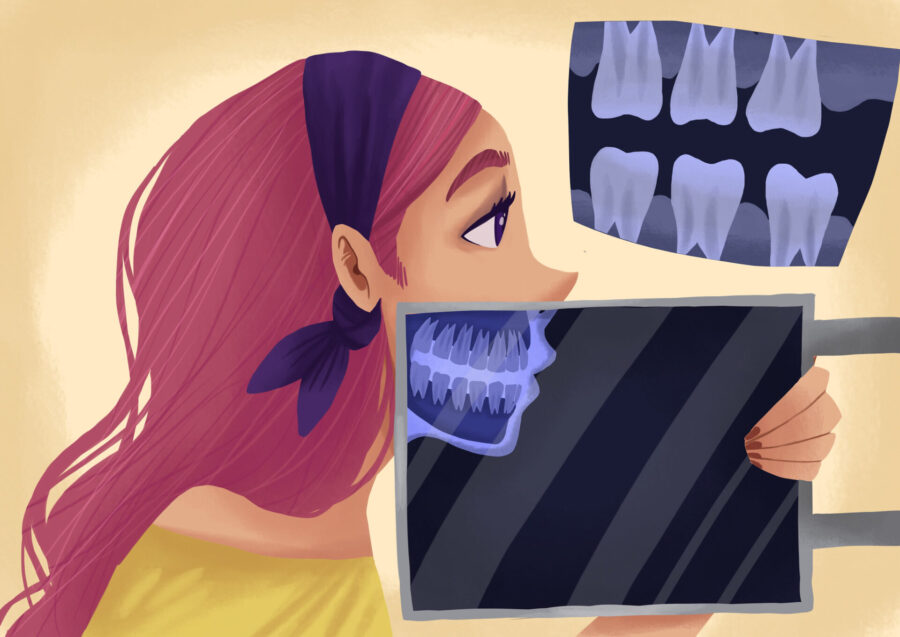
February 18, 2026 9:00 amThere’s something almost magical about dental X-rays. In a matter of seconds, an image appears that shows what’s happening inside your teeth and beneath your gums — areas no mirror or flashlight could ever reach. It might feel futuristic, but it’s simply physics at work.
At Bolt Family Dental in Brownsburg, IN, Dr. Wade Troyer uses digital dental X-rays to detect problems early and plan treatment with precision. While they’re a routine part of dental care, the science behind them is worth understanding.
How Dental X-Rays Actually Work
Dental X-rays use a controlled form of electromagnetic radiation to create images of internal structures. When the X-ray beam passes through your mouth, different tissues absorb energy at different rates.
Dense structures like enamel and bone absorb more radiation and appear white on the image. Softer tissues absorb less and appear darker. That contrast creates a detailed picture of areas that would otherwise remain hidden — including between teeth, under fillings, and inside the jawbone.
It may feel like your dentist can suddenly “see through” teeth, but what’s really happening is a carefully measured interaction between radiation and tissue density.
Why Visual Exams Aren’t Enough
Even the most thorough visual exam has limits. Many dental issues begin in places that are impossible to see directly:
- Cavities between teeth
- Decay beneath existing crowns or fillings
- Early bone loss from gum disease
- Infections at the tip of a root
- Impacted or developing teeth
By the time some of these conditions cause pain, they’ve already progressed. X-rays allow Dr. Troyer to detect changes early — often before you feel anything at all.
Are Dental X-Rays Safe?
Modern dental X-rays use extremely low levels of radiation. Digital systems, in particular, significantly reduce exposure compared to older film-based methods.
Current research and safety guidelines show that routine dental X-rays deliver a very small dose — comparable to the natural background radiation we experience in everyday life. Because the exposure is so minimal, lead aprons are no longer routinely required in many dental settings.
At Bolt Family Dental, X-rays are taken only when clinically appropriate and based on your individual risk factors, dental history, and age. The goal is always to gather useful diagnostic information while keeping exposure as low as reasonably achievable.
Different Types of Dental X-Rays
Each type of dental X-ray provides a different perspective:
- Bitewing X-rays show the upper and lower back teeth and are especially helpful for detecting cavities between teeth and monitoring bone levels.
- Periapical X-rays focus on individual teeth, capturing the entire root and surrounding bone to identify infections or structural concerns.
- Panoramic X-rays provide a broader view of the entire mouth, including wisdom teeth, jaw joints, and sinus areas.
Together, these images create a more complete understanding of your oral health.
Why X-Ray Frequency Varies
Not every patient needs X-rays at the same intervals. Frequency depends on factors such as:
- History of cavities
- Gum health
- Age
- Existing restorations
- Symptoms or ongoing treatment
A patient with a low risk of decay may need imaging less often than someone managing active gum disease or restorative work. Dr. Troyer tailors recommendations to your specific situation rather than following a one-size schedule.
How X-Rays Improve Treatment Planning
Beyond identifying cavities, dental X-rays are essential for planning treatments like root canals, implants, crowns, and orthodontics. They provide measurements of bone levels, reveal hidden infections, and help determine whether a tooth can be saved or requires further intervention.
In many cases, the difference between a small filling and a more complex procedure comes down to early detection. X-rays give your dentist that early window.
Dental X-Rays in Brownsburg, IN at Bolt Family Dental
Dental X-rays may feel a bit like magic — a quick image that reveals what’s happening inside your smile — but they’re grounded in well-established science and decades of refinement. They remain one of the most important tools for protecting long-term oral health.
At Bolt Family Dental in Brownsburg, IN, Dr. Wade Troyer uses modern digital X-ray technology to provide clear, detailed images while minimizing radiation exposure. If you have questions about dental X-rays or it’s been a while since your last exam, schedule an appointment to ensure your smile stays on track. Seeing beneath the surface often makes all the difference.
Image from Authority Dental under CC 2.0